Introduction
Dance is often perceived merely as a series of graceful movements set to music, but it's so much more than that. It's a journey of self-expression, a form of communication that transcends words, and an avenue for emotional growth. In this article, we'll delve into how dance education fosters emotional development in individuals, particularly children and adolescents, fostering resilience, confidence, and social skills. We'll explore various aspects of dance education, including its impact on mental health, the role of dance studios in nurturing talent and emotion, and practical ways to integrate emotional learning into dance curricula.
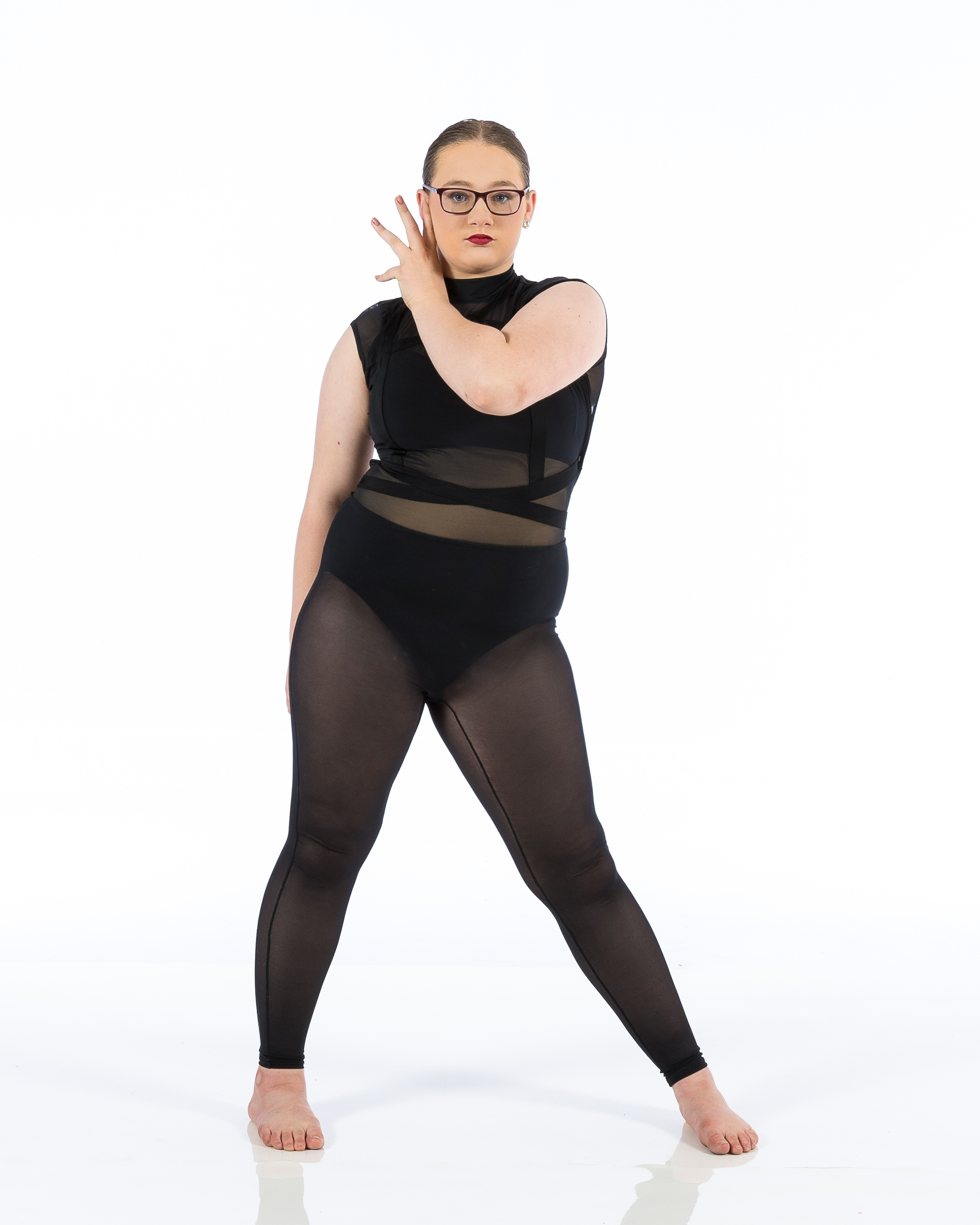
Dance Studio: The Heartbeat of Learning
What Role Does a Dance Studio Play in Emotional Development?
A dance studio serves as a sanctuary for students. It's where they not only learn choreography but also discover themselves emotionally. The environment within these studios encourages exploration and creativity. When young dancers step into a studio, they’re stepping into a space that invites them to express their feelings without judgment — an essential component for emotional growth.
In many ways, the atmosphere within a dance studio can be likened to that of a supportive family or community. Here are some specific roles that dance Dance Studio Tigard studios play:
Safe Space: A place where students can freely express their emotions without fear of ridicule. Supportive Teachers: Instructors often serve as mentors who guide students through both technical skills and emotional challenges. Building Relationships: Students learn teamwork and collaboration through group dances and performances. Encouraging Self-Expression: Opportunities for improvisation allow students to connect with their feelings on a deeper level.Emotional Growth through Movement
Movement is fundamental to dance education; it acts as both an outlet and a catalyst for emotional expression. Through various styles like ballet, contemporary, hip-hop, or jazz, dancers can channel their emotions in ways that words often fail to capture.
Releasing Tension: Physical movement helps alleviate stress and anxiety. Channeling Emotions: Dancing allows individuals to process emotions such as joy, sadness, anger, or frustration constructively. Self-Discovery: As dancers explore different styles, they often uncover aspects of their personality they didn’t know existed.Understanding Emotional Intelligence in Dance
What is Emotional Intelligence?
Emotional intelligence refers to the ability to identify, understand, manage, and utilize emotions effectively in ourselves and others. Developing this skill is crucial for personal growth—not just in dance but across all areas of life.
Components of Emotional Intelligence:
- Self-awareness Self-regulation Motivation Empathy Social Skills
How Can Dance Foster Emotional Intelligence?
Dance offers various opportunities for enhancing emotional intelligence:
Self-Awareness: Dancers learn to recognize their feelings while performing. Empathy: Group dances foster understanding among peers as students must work together harmoniously. Social Skills: Interacting with other dancers helps build communication skills necessary for effective relationships.The Psychological Benefits of Dance Education
How Does Dance Impact Mental Health?
Engaging in dance can have profound psychological benefits:
- Reduces symptoms of anxiety. Alleviates depression by releasing endorphins during movement. Helps improve focus and concentration.
Research Findings on Dance and Mental Health
Studies have shown that regular participation in dance classes leads to improved mental well-being among participants:
| Study | Key Findings | |-------|--------------| | 2018 Study by The Journal of Dance Medicine & Science | Found significant reductions in anxiety levels among adolescent dancers compared to non-dancers | | 2020 Research from The American Journal of Arts Therapy | Demonstrated increased self-esteem and social connectedness among participants |
Creating Resilient Dancers: Coping Skills Through Movement
What Are Coping Skills?
Coping skills are strategies individuals use to manage stressors effectively. In the context of dance education:
Students learn how to handle performance anxiety. They develop persistence through practice and rehearsal challenges.How Can Dance Education Teach Resilience?
The rigorous nature of dance training provides ample opportunities for students to build resilience:
Overcoming Failures: Mistakes during practice teach valuable lessons about perseverance. Facing Performance Anxiety: Dancers learn techniques to calm nerves before shows or competitions.The Importance of Community Within Dance Studios
Why Is Community Important in Dance Education?
A sense of belonging is vital for emotional well-being:
Fosters deeper connections between peers. Encourages open discussions about feelings related to performance and personal challenges.Enhancing Relationships within the Studio
Dance studios often organize events like showcases or themed workshops that promote community bonding:
- Celebrating achievements together boosts morale. Group activities foster friendships outside formal classes.
Incorporating Mindfulness Techniques into Dance Classes
What Is Mindfulness?
Discover moreMindfulness involves being fully present in the moment without judgment—an essential skill for dancers aiming for emotional awareness.
Benefits of Mindfulness in Dance Education
Integrating mindfulness practices into dance classes can enhance emotional growth significantly:
Improved Focus: Dancers become more attuned to their body movements. Better Emotion Regulation: Mindfulness teaches students how to manage overwhelming feelings effectively.The Role of Choreography in Emotional Expression
How Does Choreography Foster Emotional Communication?
Choreography isn’t just about creating sequences; it’s about telling stories through movement—a powerful means for expressing complex emotions effectively.
Elements Influencing Emotional Expression
Choreographers often play with elements such as tempo, dynamics, space, and gesture—all contributing factors that influence how an audience perceives emotion during performances.
Collaborative Learning Through Group Dances
Why Are Group Dances Important?
Group dances create an environment ripe for collaborative learning experiences—essentially teaching important life skills beyond just dancing itself!
Promotes Teamwork: Working together teaches dancers how their individual contributions fit into the larger picture. Builds Trust: Relying on partners instills confidence both personally and artistically over time.Parental Engagement: Support at Home
How Can Parents Support Their Child's Journey?
Parents play an essential role in nurturing their child's passion for dance education—supportive actions include:
Attending performances Encouraging practice at home Ensuring consistent attendance at classesOpen Lines Of Communication
Having honest discussions about feelings related to dancing encourages children’s emotional growth—parents should ask questions like:
- “How did your class go today?” “What was your favorite part?”
By fostering this dialogue at home alongside active engagement within the studio setting will help children navigate both successes & setbacks throughout their dancing journey!
FAQs About Emotional Growth Through Dance Education
Q1: What age is appropriate for starting dance education?
A1: Generally speaking; children can start as young as three years old! However; each child develops differently so it’s important parents gauge readiness based on interest & physical capabilities rather than sticking strictly by age guidelines alone!
Q2: Can adults benefit from dance education too?
A2: Absolutely! Adult dancers experience similar benefits including stress relief; improved coordination & even enhanced social connections!
Q3: How does participating in performances contribute emotionally?
A3: Performing allows students an opportunity showcase their hard work while also confronting fears related stage fright—overcoming those obstacles leads greater confidence overall!
Q4: Is it necessary for kids interested solely recreationally pursue competitive options?
A4: Not at all! Many studios offer varied programming designed cater towards varying interests whether competitive or purely recreational without any pressure whatsoever!
Q5: Do all types/styles provide equal levels support developing emotionally?
A5: While each style carries unique attributes generally speaking most forms provide avenues self-expression leading towards positive outcomes emotionally speaking irrespective specific genre chosen!
Q6 : Are there any resources available supporting integration mindfulness practices specifically geared towards younger audiences?
A6 : Yes! Several books/workshops focus helping teachers incorporate mindfulness techniques seamlessly into existing curricula making accessible diverse age ranges!
Conclusion
In conclusion; exploring how "Beyond the Moves" intertwines with emotional growth through structured yet creative avenues found within quality-focused instruction offered at dedicated local dance studios presents invaluable insights beneficial not only aspiring performers but society at large especially given today's increasingly challenging landscape affecting youth globally! By embracing these lessons learned via engaging mediums like choreography alongside supportive communities around them we empower future generations harnessing power behind every single move made upon stage floor—transforming lives one step gracefully onward further down path towards holistic development encompassing mind body soul alike!